
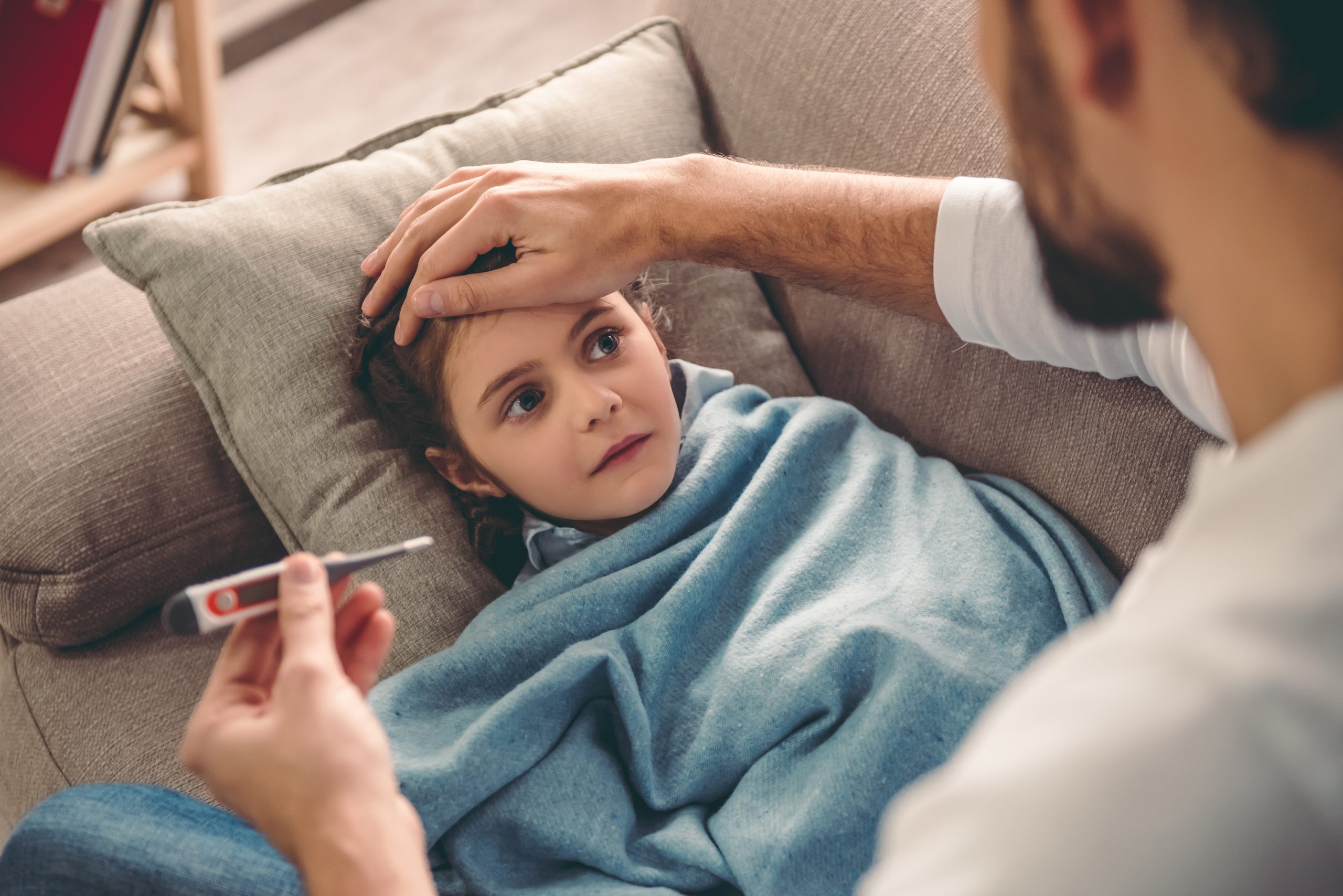
When a child develops a fever, it is natural for parents to worry. The most important clinical rule to remember: how your child looks, breathes, and behaves matters far more than the number on the thermometer.
A fever is not an illness on its own—it is a natural, healthy immune response as the body fights off viral or bacterial infections.
This guide outlines evidence-based practices for safe home care, and the vital signs that indicate when to see a doctor.
What is a Fever?
A clinical fever is defined as a body temperature of 38c or higher.
Normal baseline body temperature fluctuates naturally throughout the day, usually settling between 36.5c and 37.5c.
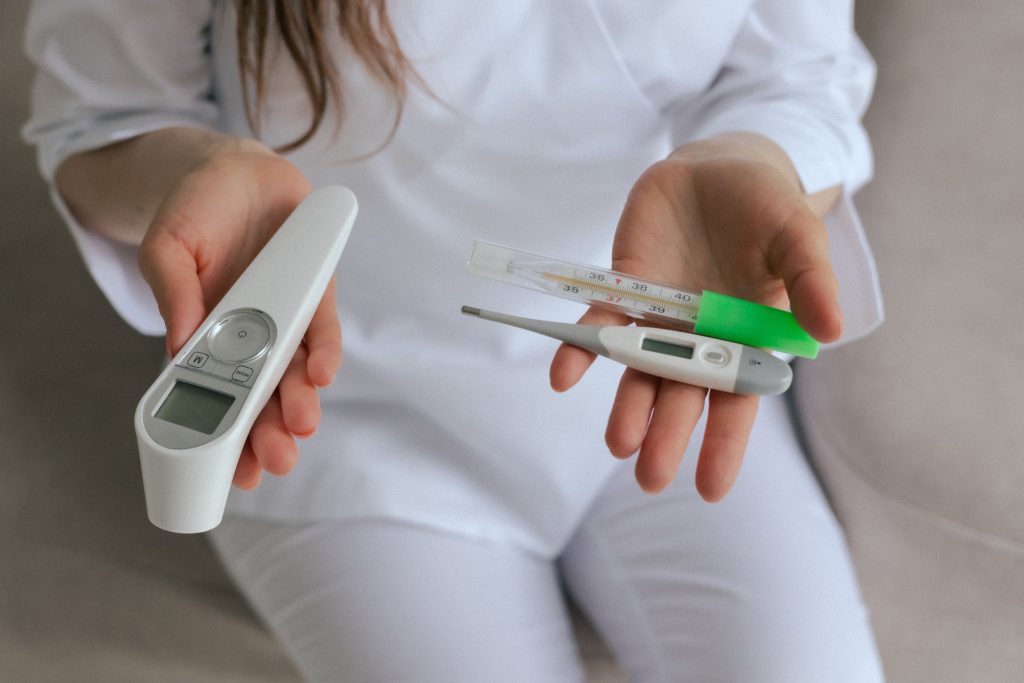
Which Thermometer?
Digital Contact Thermometers
Recommended for general home use. Suitable for all ages, particularly children under five.
Tympanic (Ear) Thermometers
Provide fast readings but require correct positioning and may be affected by earwax.
Infrared (Forehead) Thermometers
Convenient and non-invasive, but readings may be influenced by sweat or room temperature.
Safety Note: Glass mercury thermometers are no longer recommended due to toxicity risks if broken.
Safe Home Care: What Works & What to Avoid
The goal of home treatment is to relieve discomfort and maintain hydration, not to force the body temperature down to a specific number. If your child is playful, alert, and drinking well, the fever is doing its job safely.
Recommended Actions:
- Prioritise small, frequent fluids: Fevers increase fluid loss through the skin and lungs. Offer regular sips of water, oral rehydration solutions, diluted juice, breast milk, or infant formula.
- Dress in comfortable, light layers: Use breathable cotton clothing. Keep the room well-ventilated and at a comfortable, moderate temperature.
- Encourage quiet rest: Allow plenty of downtime, but do not wake a sleeping child solely to take their temperature or give medicine.
Common Practices to Avoid:
- No cold baths or tepid sponging: Washing with cold or lukewarm water triggers shivering, which constricts surface blood vessels, causes significant distress, and drives core body temperature higher.
- No over-bundling or undressing completely: Heavy blankets trap heat and cause dangerous overheating, while stripping a child naked can trigger shivering and discomfort.
When to Seek Medical Advice?
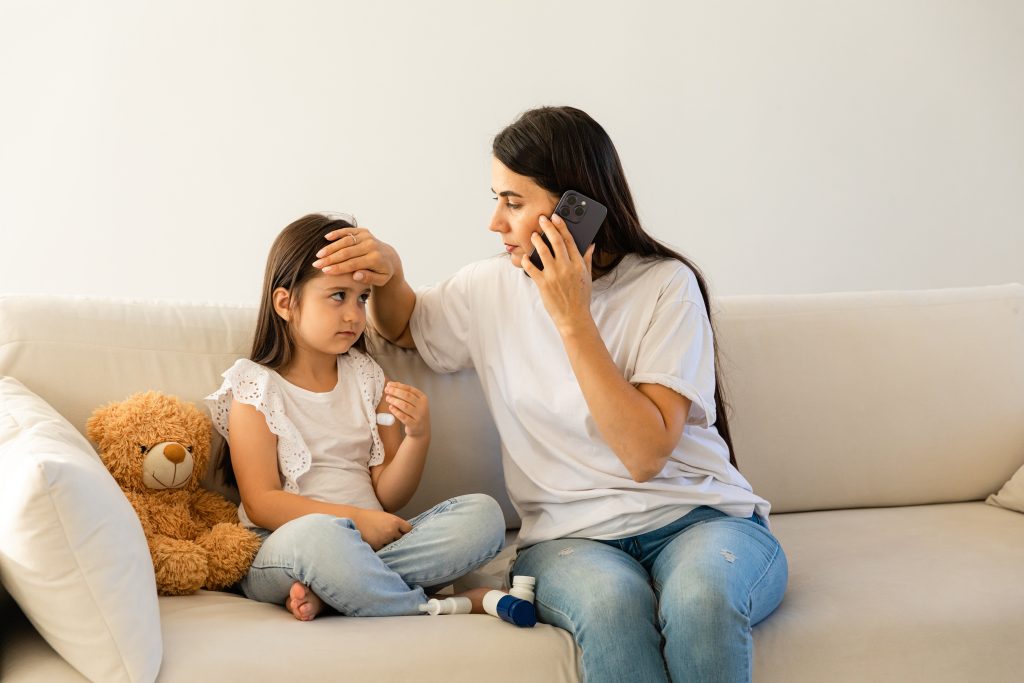
Schedule a prompt medical appointment with a family doctor or paediatrician if:
- Baby under 3 months: Any temperature of 38c or higher requires immediate medical evaluation. Do not give fever-reducing medicine before a clinician assesses the infant.
- Baby aged 3 to 6 months: Fever reaches 39c or higher.
- Fever duration: The fever persists for more than 3 to 5 days without improvement.
- Signs of dehydration:
- Significantly fewer wet nappies
- Crying without tears
- Sunken eyes or a sunken soft spot (fontanelle) on an infant’s head
- Extremely dry lips and tongue
Emergency Red Flags: When to Seek Immediate
Proceed straight to the nearest Emergency Department or call an emergency ambulance if your child exhibits any of the following critical warning signs:
- Non-blanching rash: A rash of dark red or purple spots that does not fade or disappear when a clear drinking glass is pressed firmly against the skin.
- Severe breathing distress: Unusually rapid breathing, noisy grunting, wheezing, or skin sucking inward deeply under the ribs or at the throat (chest retractions).
- Seizures: Involuntary jerking of limbs, eye-rolling, body stiffening, or loss of consciousness.
- Altered mental state: Child is exceptionally difficult to wake, floppy, unresponsive, confused, or unable to make eye contact.
- Stiff neck or photophobia: Inability to bend the chin down to touch the chest, often paired with severe headache or distress in bright light.
- Poor peripheral circulation: Pale, mottled, grayish skin, or blue discoloration around the lips, tongue, or nail beds.
Quick Reference Summary
| Child’s Condition | Action to Take |
| Alert, drinking fluids, mild fever < 38.5c | Provide plenty of fluids, dress lightly, and monitor rest at home. |
| Distressed, irritable, or aching with fever | Administer Paracetamol as per dosing guidelines on packaging |
| Infant <3 months with fever 38c | Seek prompt medical evaluation. |
| Fever persists past 3–5 days | Book a consultation with a doctor to check for underlying infection. |
| Red flags present (breathing issues, non-blanching rash, seizures) | Go straight to the nearest Emergency Department or call an emergency ambulance. |
Want to Feel More Confident Handling Childhood Illnesses and Emergencies?
Join one of our fun, friendly, and practical first aid courses right here in Singapore. Learn how to respond calmly and confidently when it matters most.
👉 Book your spot today here.
Prefer a Private Class?
We can bring the training to your home or workplace. Get in touch to arrange a personalised first aid session.
👉 Contact us today.

Remember: This is intended for general guidance, and does not constitute medical advice. If you have any concerns about you or your family’s health, please consult with a doctor.