

In an emergency, knowing the right first aid can make all the difference. However, many common misconceptions about first aid persist, often leading to actions that are ineffective or even harmful. Let’s debunk five of the most widespread first aid myths to help you respond confidently and correctly when it matters most.
Myth 1: Apply Toothpaste to a Burn
Myth: It’s a common belief that applying toothpaste to a burn will soothe it.
Debunked: Whilst some toothpastes might offer a temporary cooling sensation, they do not effectively cool the burn or promote healing. In fact, this practice can irritate the skin, potentially worsen the injury, and increase the risk of infection.
Do This Instead: For a minor burn, immediately cool the affected area with cool running water for at least 10-20 minutes. Afterwards, if necessary, gently cover the burn with a sterile, non-adherent dressing. For severe burns, or any burns on the face, hands, feet, or genitals, seek prompt medical attention. For more details on first aid for burns, refer to our guide: How to Treating Burns and Scalds.
Myth 2: Tilt Your Head Back During a Nosebleed
Myth: When experiencing a nosebleed, the instinctive advice for many is to tilt their head back.
Debunked: Tilting your head back can cause blood to drain down your throat, which may lead to choking, vomiting, or stomach irritation.
Do This Instead: Lean slightly forward, firmly pinch the soft part of your nose (just below the bony bridge) for 10-15 minutes, and breathe through your mouth. Applying a cold pack to the bridge of your nose may also help. If the bleeding persists, it’s advisable to consult a doctor. This is crucial nosebleed first aid.
Myth 3: Place an Object in Someone’s Mouth During a Seizure
Myth: Some believe inserting a spoon or similar object into a person’s mouth during a seizure prevents them from biting their tongue.
Debunked: Don’t place anything inside a person’s mouth during a seizure. This can cause serious injuries, such as broken teeth, jaw damage, or even obstruct their airway.
Do This Instead: During a seizure, ensure the person’s safety. Gently guide them to the floor, or place a child on flat surface like a cot. Remove any nearby objects that could cause harm, and place something soft (like a jacket or cushion) under their head. Loosen any tight clothing around their neck. Note the seizure’s duration. When the seizure ends, gently place them into the recovery position. Call emergency services if they experience breathing difficulties, if the seizure lasts over 5 minutes, if they sustain an injury, or if it’s their first seizure. Learn more about seizure first aid in our courses.
Myth 4: Squeeze a Snakebite or Attempt to Suck Out Venom
Myth: Movies love to show victims attempting to squeeze or suck venom from a snakebite.
Debunked: This practice is highly dangerous and completely ineffective. Manipulating the wound can worsen the injury and accelerate venom spread. Attempting to suck venom out can introduce harmful bacteria (leading to infection) or allow the toxin to enter your own system.
Do This Instead: For a snakebite, focus on keeping the person calm and still. Avoid moving the bitten limb excessively, and seek professional medical help immediately. Do not wash the wound, apply ice, or use a tourniquet. This is vital snakebite first aid.
Myth 5: Urinate on Jellyfish Stings
Myth: A common myth is that urinating on a jellyfish sting will provide relief.
Debunked: This is incorrect and can actually intensify the pain. The chemical composition of urine can trigger undischarged stinging cells, leading to the release of more venom.
Do This Instead: For jellyfish stings, rinse the area with seawater. For some types of jellyfish, vinegar is effective at deactivating stinging cells, but for others (like the Portuguese man-of-war), vinegar might actually release more venom. Therefore, it’s crucial to try and identify the jellyfish type for appropriate treatment. Gently remove any remaining tentacles with a stick or gloved hand, then soak the affected area in warm water. This is key for jellyfish sting treatment.
Even with the best precautions, accidents happen. That’s why knowing first aid is so important. It gives you the confidence to act quickly and calmly in an emergency.
Understanding the truth about these first aid myths empowers you to act correctly and confidently in an emergency.
Ready To Learn?
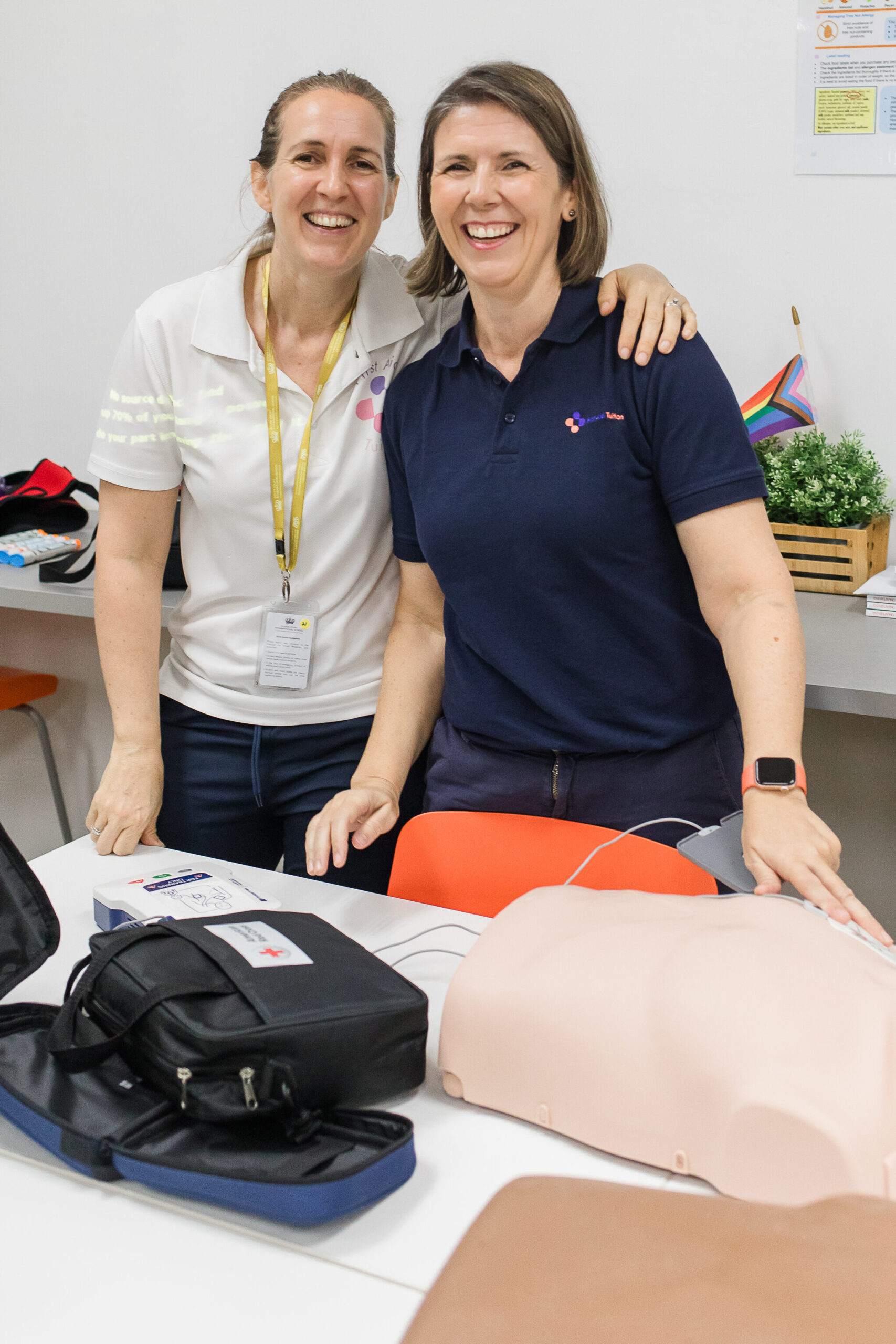
Join one of our fun and informative first aid courses right here in Singapore! We’ll teach you everything you need to know to handle choking and other emergencies with confidence. Book your spot here.
Prefer a Private Class?
We can bring the training to you! Contact us today to arrange a personalised first aid session at your home. Contact us today.
Remember: This is intended for general guidance, and does not constitute medical advice. If you have any concerns about you or your families health, please consult with a doctor.